
Facebook Pixel Only

Please Wait...

WaveForming

Redefining Low-Frequency Reproduction

WaveForming addresses one of the most persistent problems in acoustic design: room modes. In any enclosed space, bass wavelengths are long enough to interact with room boundaries, producing standing waves that corrupt frequency response and vary dramatically from position to position. The result is uneven, poorly defined bass that no amount of passive treatment can fully resolve.
The product of sustained research and continuous development at Trinnov, WaveForming combines a purpose-built algorithm with room design guidelines developed specifically to take full advantage of it. It effectively reduces the low-frequency problems that affect listening rooms: long reverberation times, large position-to-position variation, and a loss of clarity and dynamic contrast in the bass.

WaveForming resolves these challenges to deliver unprecedented impact, clarity, and definition at low frequencies

Requirements (room dependent)


  • Minimum number of subwoofers: 4
  • Maximum number of subwoofers: Room dependent
  • Subwoofer output and amplification: Discrete
  • Processor: Trinnov Altitude series (AltitudeCI, Altitude16, Altitude32)

Applications


  • Single listening row: Yes
  • Multiple listening rows: Yes (planar array)
  • HiFi: Yes
  • Studio: Yes

Benefits


  • Seat-to-seat consistency: Down to ±0.5dB up to 100Hz
  • Decay reduction: Yes
  • Increased clarity: Yes
  • Deeper more powerful bass: Yes

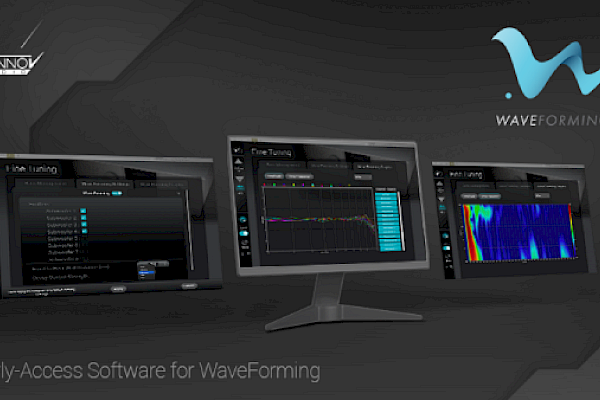
Fine-tuning Option


  • Decay Control: Yes
  • Tunable to personal taste: Yes
  • Max/Min boost adjustable per frequency: Yes
  • Infrasonic Pressurization: Yes

What is the Problem?

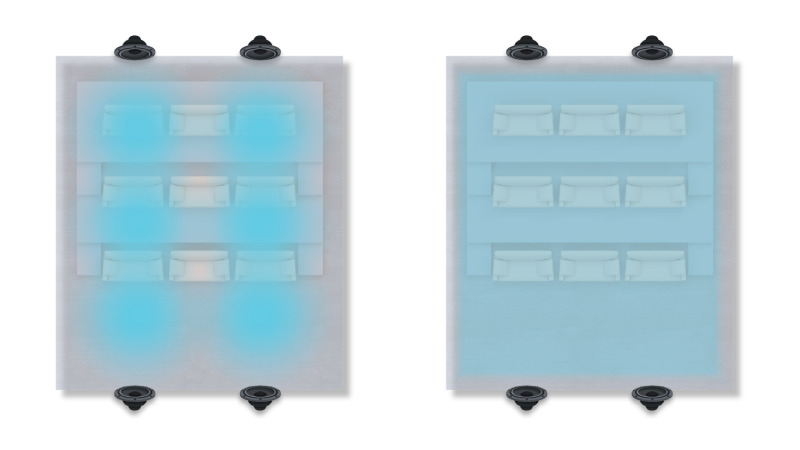
In any enclosed space, bass wavelengths are long enough to interact with room boundaries. The result is room modes, standing waves that cause large variations in frequency response from one position to the next, and that make bass energy dissipate far more slowly than midrange or high frequencies. The low end becomes uneven, poorly defined, and inconsistent. No amount of passive treatment can fully resolve this.

How does WaveForming work?

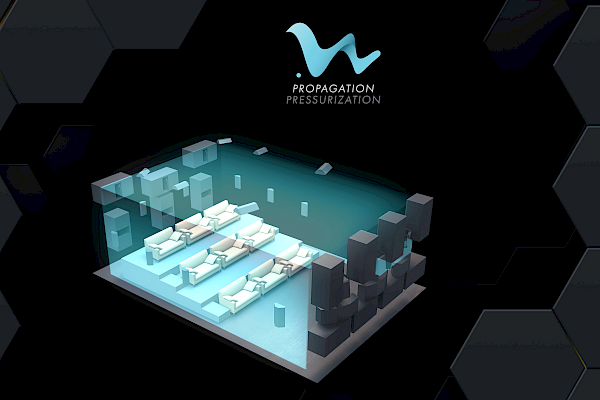
WaveFormingTM uses multiple subwoofers to take control of how bass energy propagates through a room.

The specific configuration - number of subwoofers, their placement, and their individual drive signals - is determined by room dimensions, the application, and the level of performance aimed for.

Starting from as few as four subwoofers positioned, WaveForming can already deliver meaningful improvements over conventional approaches. Systems with subwoofers on both the front and rear walls unlock the full range of WaveForming's capabilities.

Trinnov provides detailed subwoofer placement guidelines for WaveForming that define the number and placement of subwoofers required for each performance level.

Four Major Innovations enable the benefits of WaveForming

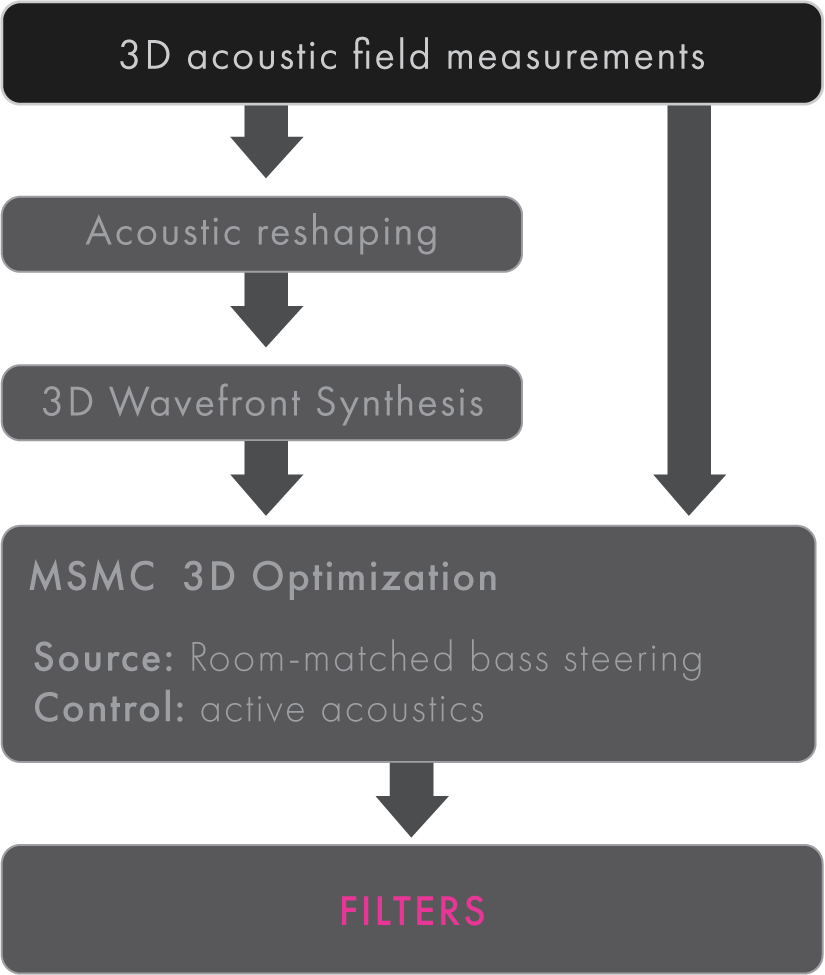
WaveForming combines four major innovations at the heart of Trinnov's expertise in 3D acoustic field measurement and processing.

This patent-pending technology requires intensive computation but produces a very gentle set of acoustic filters, delivering a natural sound free of artifacts.

3D ACOUSTIC FIELD MEASUREMENT

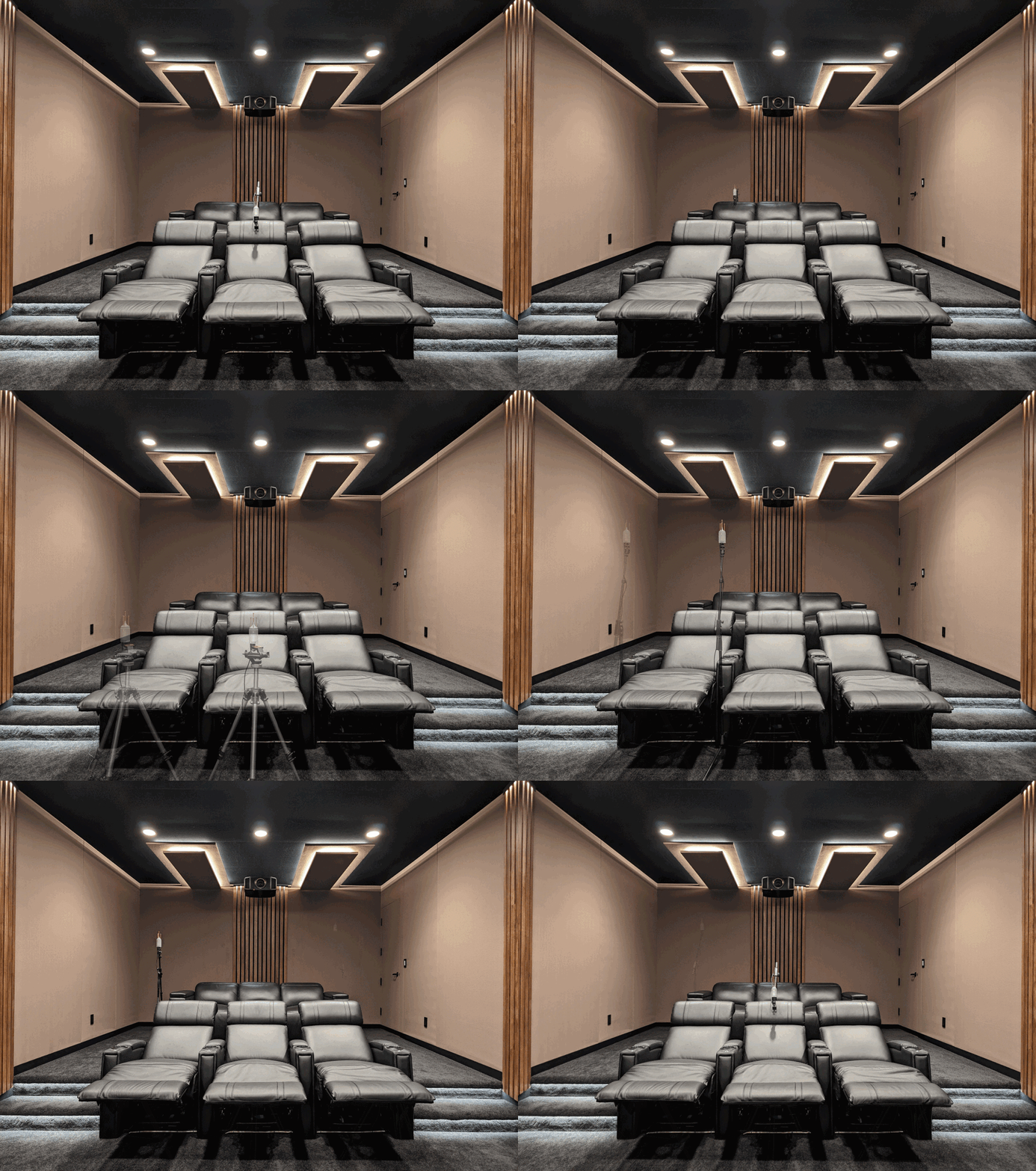
During calibration, each subwoofer is measured at multiple points in the listening area to map the 3D acoustic soundfield with close to 100% accuracy.

With 9 to 25 measurements points to sample the extended listening area, WaveForming creates a reliable representation of the full 3D acoustic field in the room. 

ACOUSTIC RESHAPING

Uses the 3D measurement map to remove long decay times and other unwanted aspects of the original 3D response while retaining desirable traits.

This step is also used to achieve decay uniformity across the listening area.

3D WAVEFRONT SYNTHESIS

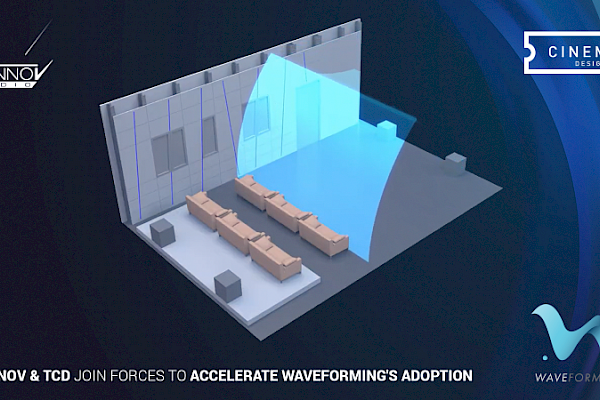
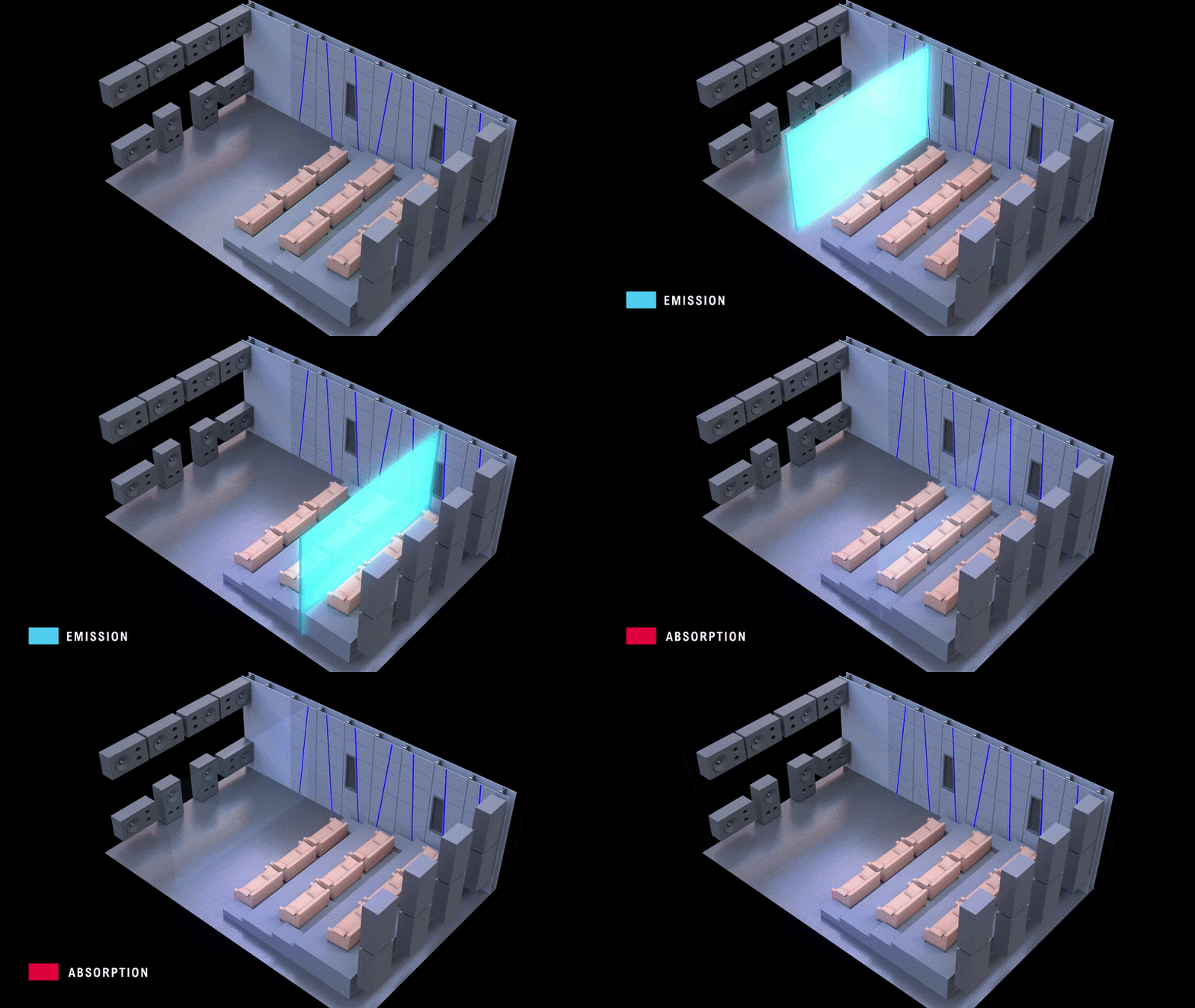
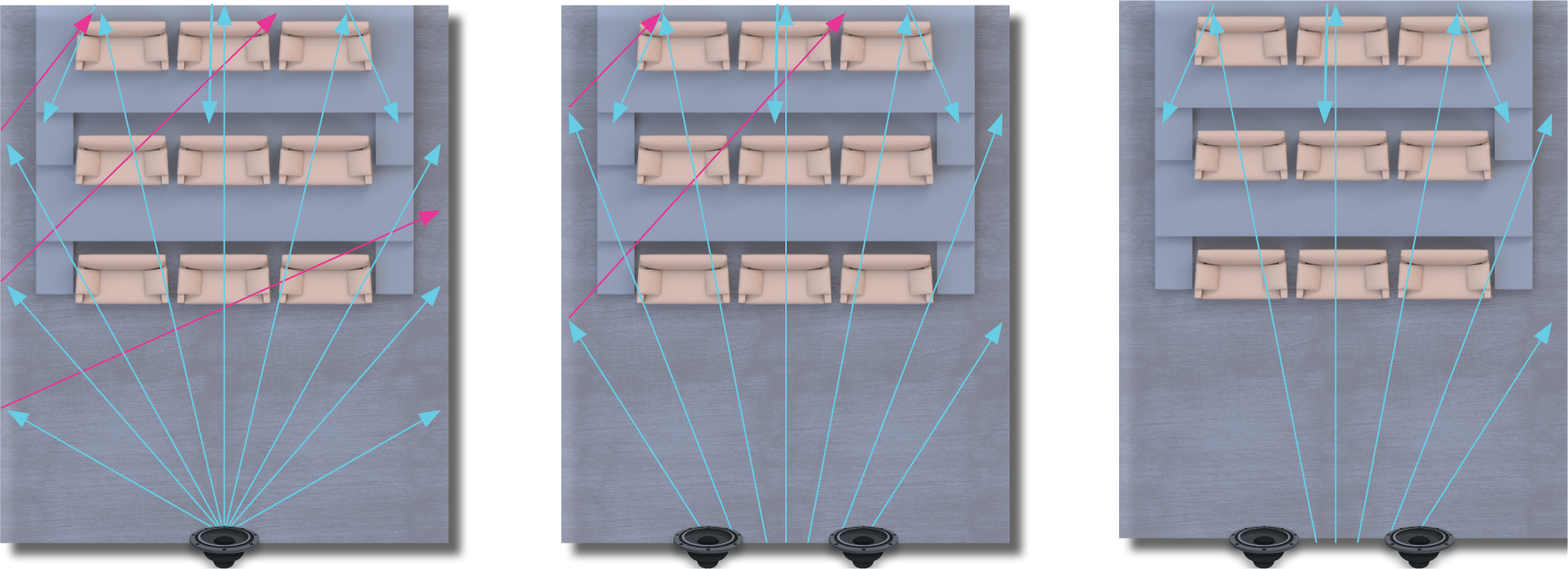
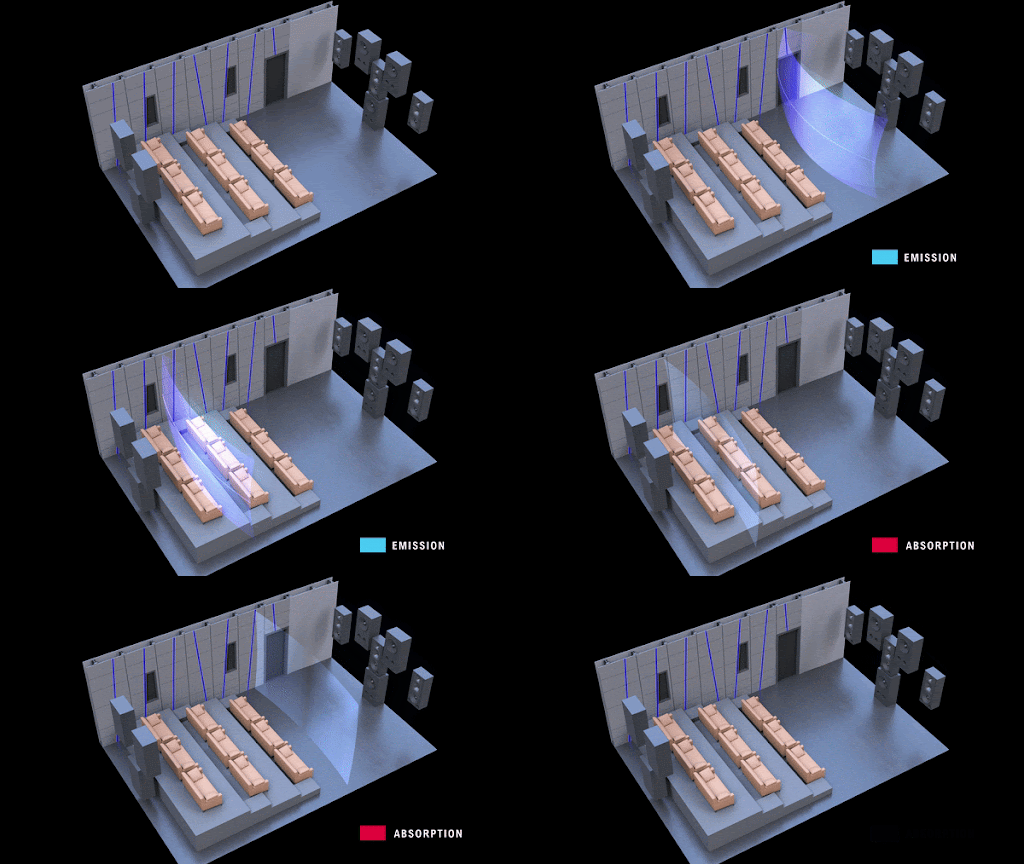
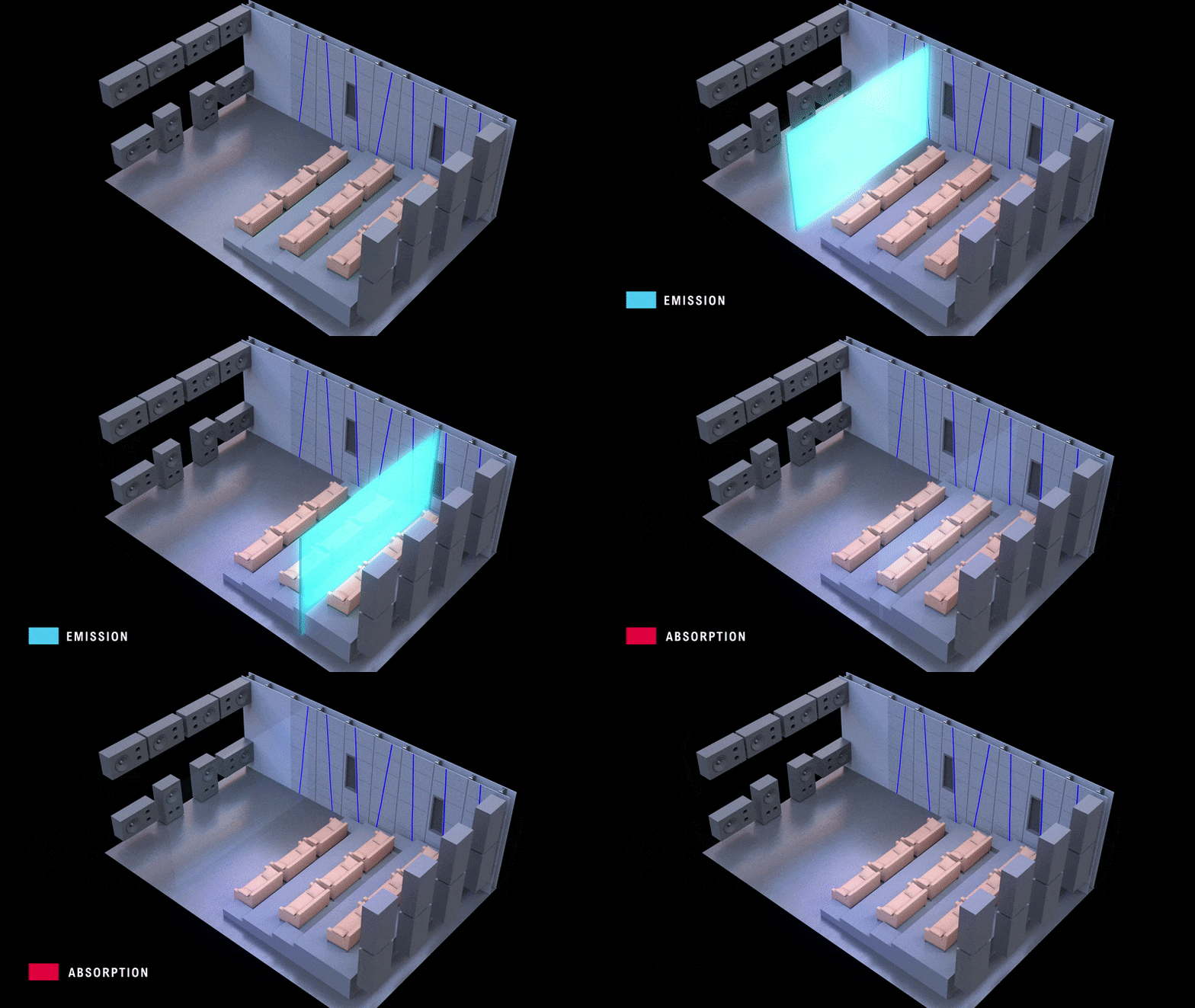
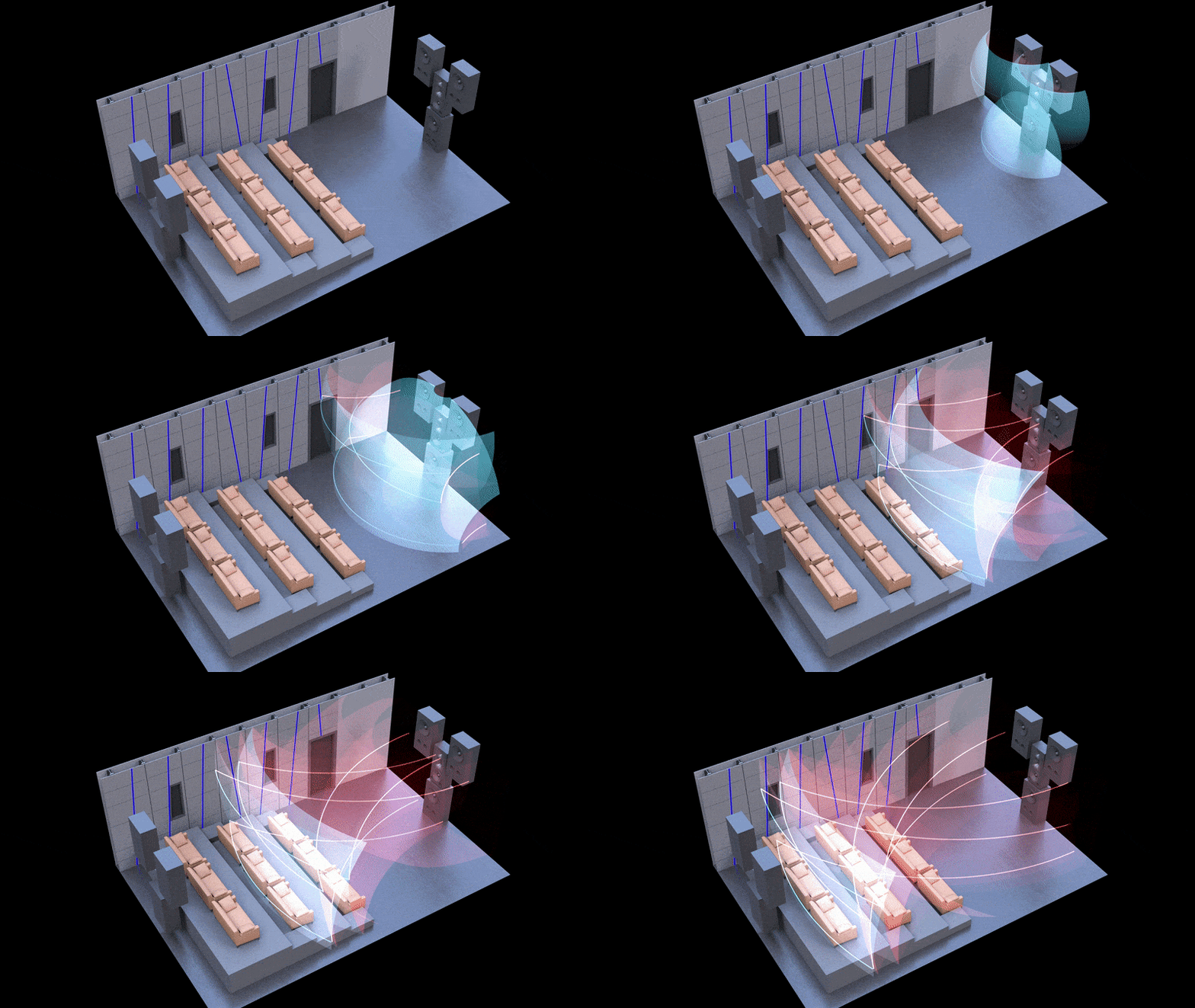
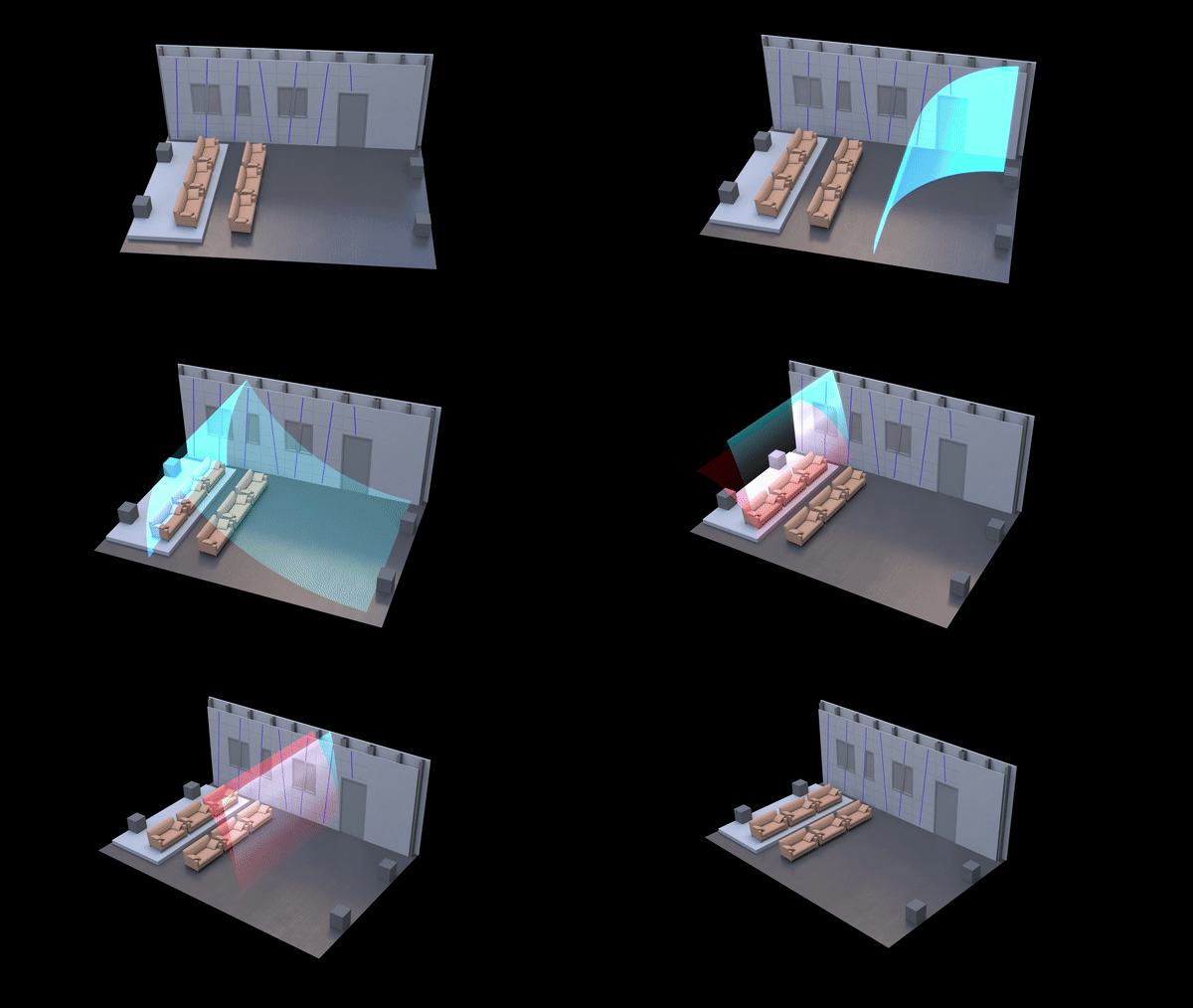
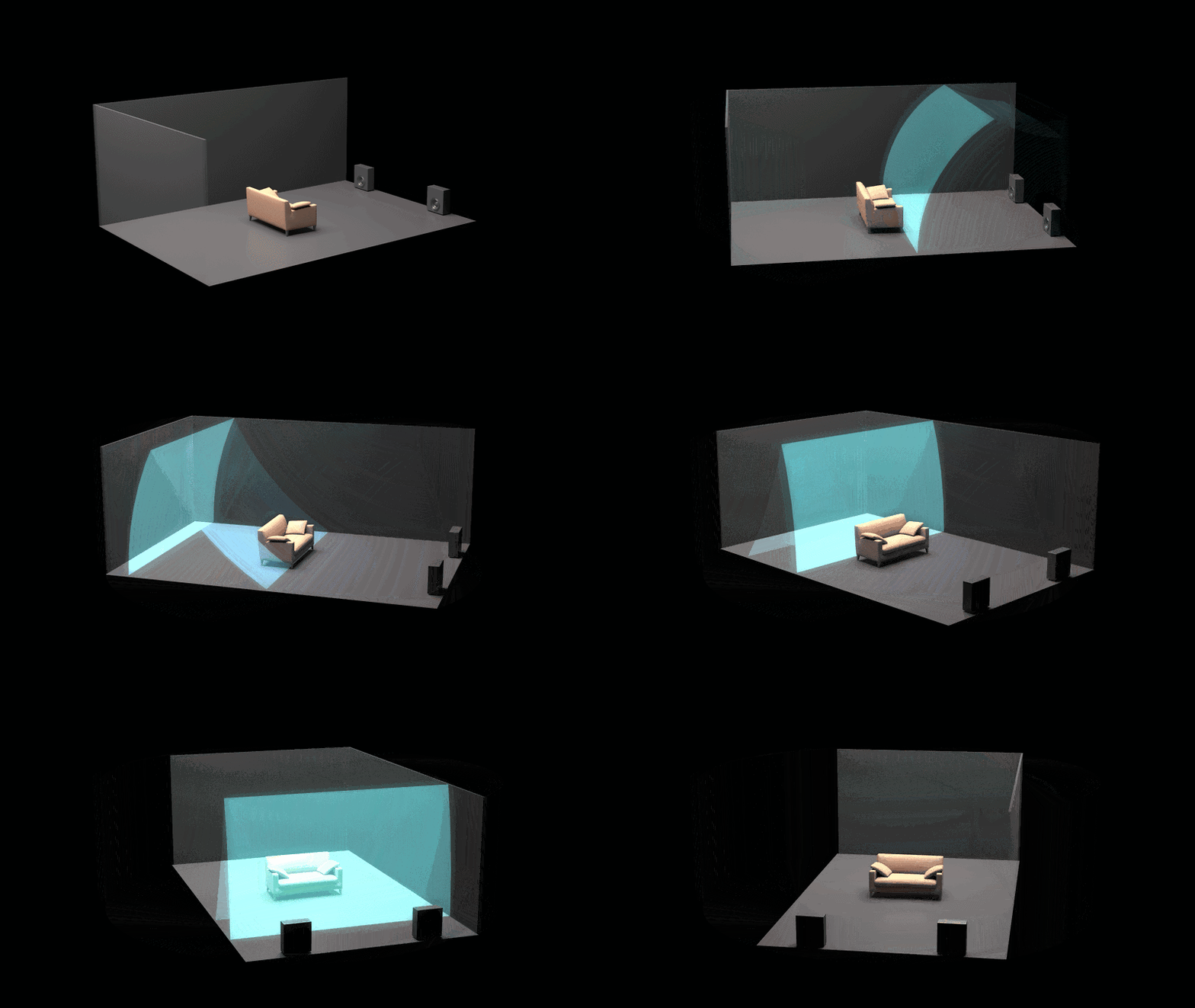
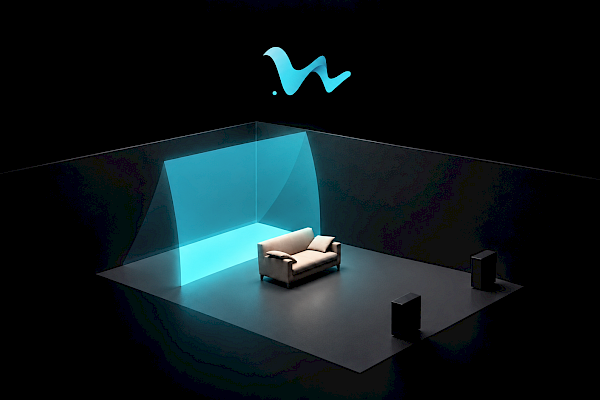
Uses multiple subwoofers to create a single coherent wavefront, steering the bass towards the listening area while minimizing unwanted reflections from the side walls, floor, and ceiling.

With 3D WaveFront Synthesis, we precisely control the coverage of the audience and the radiation to the room walls, avoiding problems before they have a chance to occur.

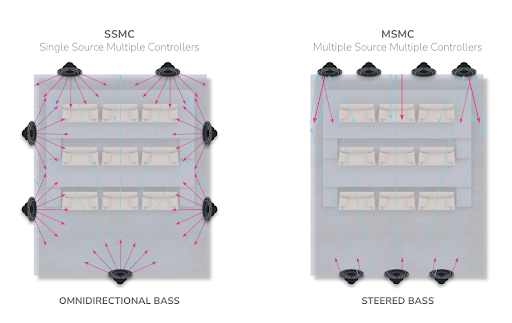
MULTIPLE SOURCES, MULTIPLE CONTROLLERS (MSMC)

The algorithmic core of WaveForming.

MSMC creates 3D acoustic optimization filters that operate on two levels: controlling each subwoofer individually to produce a room-matched planar wavefront, and managing residual acoustic problems using active acoustics.

Depending on the subwoofer configuration, this optimization draws primarily on wavefront control, on active absorption, or on both in combination.

WaveForming Benefits

LOW DECAY TIMES

Historically, the time domain aspect of bass performance has been largely ignored in favour of frequency response.

By addressing decay directly, WaveForming can effectively eliminate room modes and achieves a dramatic reduction in low-frequency reverberation time.

Bass is profoundly transformed, with unprecedented clarity, impact, and definition, a difference that carries across applications and content types, whether the priority is analytical accuracy in a mixing context, musical engagement in a listening room, or physical impact in a home theater.

SEAT-TO-SEAT CONSISTENCY

WaveForming enables extreme consistency of both frequency and amplitude across the entire listening area.

The position-to-position variation that is otherwise inevitable in any listening room disappears.

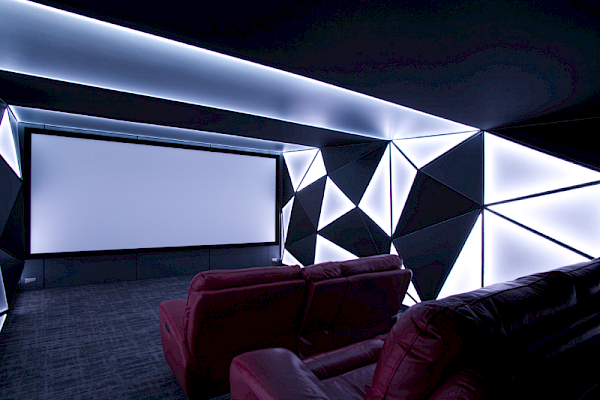
In home theater applications, this can qualify every seat to CEDIA RP22 Level 4, not just two primary positions.

PREDICTABLE RESULTS

WaveForming delivers predictable and repeatable results because it is not just an algorithm. It is a holistic approach involving room design guidelines, proper installation, acoustic measurement, and system optimization.

This consistency is a significant practical benefit for integrators and system designers working across different projects and room types.

MULTIPLE LEVELS OF PERFORMANCE

Performance scales with the number of subwoofers and the precision of their placement.

Starting from a two-subwoofer front-only configuration, WaveForming delivers meaningful results across a wide range of applications and room types.

Systems with subwoofers on both front and rear walls, placed according to Trinnov's guidelines, unlock the full extent of what WaveForming can achieve.

WaveForming Subwoofer Placement Options

WaveForming is designed around specific subwoofer placements that enable its algorithms to perform at their best. It also tolerates and adapts to a wide range of configurations, with performance that scales accordingly.

Regular Planar Subwoofer Array

Subwoofers placed at specific points on both front and rear walls, at different elevations, as determined by the physics of wavefront formation.

This is the reference configuration for WaveForming: it enables optimal plane wave formation and maximum room mode cancellation.

For the best possible performance, this is the approach to follow.


Irregular Planar Subwoofer Array

Where room constraints, speaker placement conflicts, or channel count limitations prevent a full planar array, WaveForming adapts.

A reduced number of subwoofers on one or both walls will still deliver strong results.

When compromise is necessary, it is better to reduce the number of rear-wall subwoofers rather than front-wall ones.

Subwoofer Line Array

Placing all subwoofers on the floor, distributed horizontally, offers a practical implementation of WaveForming in rooms where wall-mounted or elevated placement is not feasible.

This still achieves good control of decay time, though with less seat-to-seat consistency and reduced vertical room mode control compared to a planar array.

Conventional Placement

When subwoofers are placed in the four corners of the room, the laws of physics prevent the formation of an optimally controlled wavefront. WaveForming still applies, but with reduced effectiveness.

Moving subwoofers toward the centre of the front and rear walls, forming a line array, is strongly recommended as a first step.


WaveForming guidelines are also integrated in the Cinema Designer to help home theater professionals to help with the full design of a home theater.

Sign up For Trinnov News

Sign up for our newsletter here. See our Privacy Policy

Subscribe
/n
This website is using cookies to provide a good browsing experience.

These include essential cookies that are necessary for the operation of the site, as well as others that are used only for anonymous statistical purposes, for comfort settings or to display personalized content. You can decide for yourself which categories you want to allow. Please note that based on your settings, not all functions of the website may be available.

This website is using cookies to provide a good browsing experience.

These include essential cookies that are necessary for the operation of the site, as well as others that are used only for anonymous statistical purposes, for comfort settings or to display personalized content. You can decide for yourself which categories you want to allow. Please note that based on your settings, not all functions of the website may be available.

Your cookie preferences have been saved.